What Fashion Brands Taught Me About Storytelling in Performance Marketing
There's a perception in marketing that brand storytelling and performance marketing are opposing forces. Brand marketers craft beautiful narratives about aspirational lifestyles. Performance marketers optimize click-through rates and test button colors.
But this is a false dichotomy. And my background in luxury fashion taught me why.
In fashion, every campaign has to accomplish two things simultaneously: build the brand's cultural cachet while driving people into stores (or online) to make actual purchases. A fashion campaign that's beautiful but doesn't sell clothing is a failure. A campaign that drives transactions but erodes brand equity is equally a failure.
Fashion has been solving the "brand + performance" challenge for decades. And the principles that work in fashion advertising translate remarkably well to performance marketing—if you know how to apply them.
Let me share what luxury fashion taught me about storytelling that fundamentally changed how I approach performance campaigns.
Principle 1: Sell the Transformation, Not the Transaction
In fashion advertising, you never see ads that say "20% off dresses." Not because fashion brands don't run sales (they do), but because that's not what drives desire for a luxury or premium product.
Fashion sells transformation: the person you become when you put on that clothing. The confidence. The sophistication. The way you move through the world differently.
The fashion approach: A campaign for a tailored blazer doesn't focus on fabric content or price. It shows a woman walking into a boardroom with unmistakable authority. The blazer isn't the product—confidence is the product. The blazer is the tool.
How this translates to performance marketing: Most e-commerce ads lead with product features or discounts: "Wireless Bluetooth Headphones - 40% Off Today Only!"
The fashion-informed approach leads with the transformation: A person working out intensely, moving freely without tangled cords, completely in the zone. The headline: "Nothing Between You and Your Flow."
The product is the same. The story is completely different. And the second version consistently outperforms the first in engagement and conversion.
Real example from my work: I ran campaigns for a premium ergonomic office chair. The typical approach in that category is specs-focused: "Lumbar support, adjustable armrests, breathable mesh."
We created a fashion-inspired narrative campaign instead. The creative showed a designer working late at night, completely absorbed in his work, his body language suggesting complete comfort and focus. The copy: "When your body disappears, your work shines."
We tested it against the features-focused control. The narrative approach drove 3.2x higher click-through rate and 1.8x higher conversion rate. Same product, same price, completely different story.
Principle 2: Create Aspiration Without Alienation
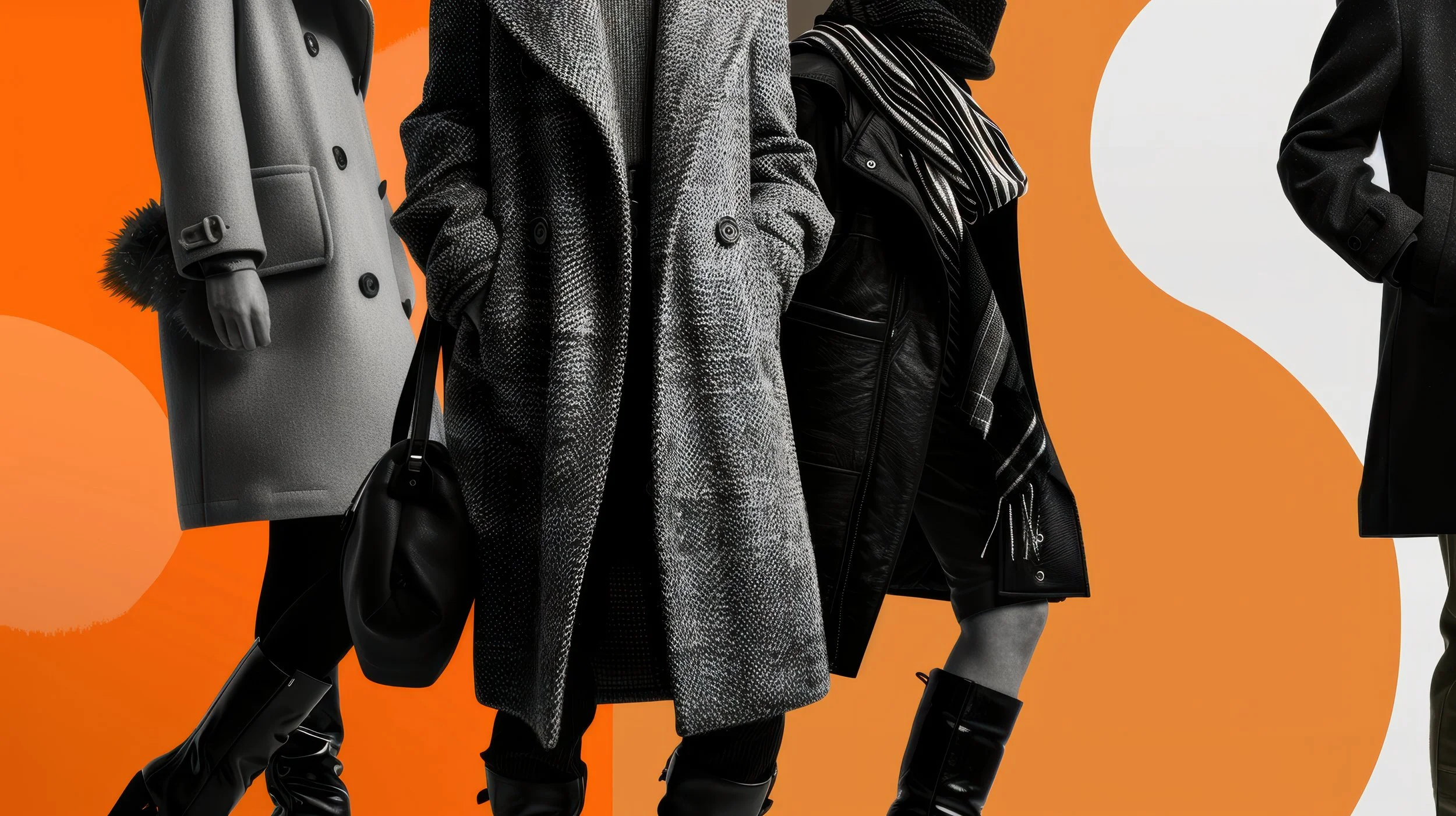
Luxury fashion has mastered a delicate balance: making products feel aspirational (desirable, elevated, special) without making potential customers feel excluded or inadequate.
When Chanel advertises a handbag, they're not saying "you're not good enough without this." They're saying "this represents the life you're building toward." The distinction is subtle but profound.
The fashion approach: Aspirational imagery (beautiful settings, elegant styling) combined with accessible emotion (confidence, joy, self-expression). The message is: "This is for people like you, living their best version of life."
How this translates to performance marketing: Most brands make one of two mistakes:
Mistake 1: Too aspirational Using imagery and language so elevated that average customers can't see themselves in it. A skincare brand using only supermodels in perfect lighting creates aspiration but not identification.
Mistake 2: Too accessible Focusing so heavily on being "relatable" that there's no aspiration at all. An athleisure brand showing only very average people doing average things creates identification but no desire.
Fashion nails the balance: aspirational enough to desire, accessible enough to identify with.
Real example from my work: A premium meal kit service wanted to target busy professionals. Initial creative showed professionally styled food on pristine marble countertops—aspirational but alienating. It felt like someone else's life.
We created a fashion-inspired middle ground: beautifully styled food, yes, but in a real-looking home kitchen with subtle signs of actual life (a laptop nearby, a jacket on a chair). The person in the shot was well-dressed but not model-perfect. The lighting was great but not impossible.
The message: "This is elevated, but it's attainable for you."
Conversion rates increased 47% over the "too aspirational" control, and 63% over a "too accessible" variation we tested.
Principle 3: Every Detail is Communication
In luxury fashion, nothing is accidental. The lighting, the color palette, the model's expression, the styling details, even negative space, everything communicates something about the brand and the product.
A moody, low-key lighting setup communicates sophistication and mystery. Bright, natural lighting communicates openness and accessibility. Both can be beautiful, but they tell entirely different stories.
The fashion approach: Every element of a campaign is chosen intentionally to reinforce the brand story. If the brand positioning is "effortless elegance," then the model's pose is relaxed (not rigid), the styling includes casual elements mixed with luxury pieces, and the setting is beautiful but lived-in.
How this translates to performance marketing: Most performance marketers think about "creative" as the image or video content. They overlook how many other elements are communicating:
Font choices (serif vs. sans serif changes emotional tone)
Color palette (warm vs. cool conveys different feelings)
Visual composition (centered vs. off-center, symmetry vs. asymmetry)
Pacing in video (quick cuts vs. slow, lingering shots)
Music/sound design (when video includes audio)
Fashion marketers know that these choices accumulate into a feeling, and that feeling drives purchase decisions.
Real example from my work: A wellness brand wanted to advertise an stress-relief supplement. Their initial creative used bright, energetic colors and quick-cut editing, the same approach that worked for their energy supplement.
But stress-relief is a different emotional state. We created fashion-inspired creative with:
Cooler, softer color palette (blues, sage greens)
Slower pacing in video
More negative space in static images
Softer, more organic font
Imagery showing stillness and calm, not activity
Same product claims, same offer. But the visual language aligned with the emotional need. The fashion-inspired approach drove 2.7x higher conversion rate because every detail reinforced the story: calm, peace, relief.
Principle 4: Consistency Builds Premium Perception
Luxury fashion brands maintain strict visual consistency across every touchpoint. You can identify a Gucci ad or a Prada campaign instantly, even without seeing the logo. This consistency creates premium perception and brand recognition.
But consistency doesn't mean boring or repetitive, it means having a clear visual language and applying it flexibly across different contexts.
The fashion approach: Brands establish core visual elements (color palette, typography, photography style, tone) and then apply those elements across campaigns, seasons, and product categories. The specific images change, but the brand DNA remains recognizable.
How this translates to performance marketing: Most performance marketers treat each campaign as a one-off. Your Facebook ads look nothing like your Instagram ads, which look nothing like your landing pages, which look nothing like your email marketing.
This inconsistency erodes trust and makes your brand feel less premium, even if you're selling quality products.
Fashion-informed performance marketing maintains visual consistency across:
All ad creative across platforms
Landing pages and website
Email marketing
Packaging and unboxing experience
Social media content
Real example from my work: A fashion accessories brand was running ads on Meta and Google Display. The Meta ads were bright, colorful, and energetic (trying to "stop the scroll"). The Google Display ads were minimal and monochromatic (trying to feel "luxury"). Neither reflected their actual website design.
We created a unified visual system:
Defined core brand colors (two primary, three accent)
Established typography hierarchy
Created photography guidelines (lighting, angles, styling)
Developed templates that worked across platforms
Every ad now felt like it came from the same brand. Customer feedback specifically mentioned that the brand felt "more professional" and "more premium." More importantly, conversion rates increased 34% because the experience felt coherent and trustworthy.
Principle 5: The Story Arc Matters

Fashion campaigns often tell stories across multiple touchpoints. You might see a teaser image, then behind-the-scenes content, then the full campaign, then editorial coverage, then influencer content. Each piece builds on the previous one, creating momentum and sustained interest.
This is fundamentally different from the "one-shot" approach most performance marketers take.
The fashion approach: Think in sequences, not individual assets. The first time someone sees your brand, you're creating awareness and intrigue. The second time, you're building recognition and interest. The third time, you're driving action.
How this translates to performance marketing: Most brands show the same ad creative to someone whether it's their first impression or their tenth. Fashion thinking recognizes that the story should evolve based on where someone is in their journey.
The fashion-informed funnel:
First exposure (cold traffic): Beautiful, intriguing creative that creates desire without asking for anything. This is pure storytelling—show the transformation, the lifestyle, the aspiration.
Second exposure (warm traffic): More detail about the product, how it works, why it's different. This is where you build credibility and address questions.
Third exposure (hot traffic): Specific offer, social proof, urgency. This is where you drive conversion.
Real example from my work: A luxury travel company was running the same "Book Now - Limited Availability" ads to everyone, regardless of their familiarity with the brand.
We created a fashion-inspired sequential campaign:
Phase 1 (cold traffic): Stunning destination photography with aspirational copy. No pricing, no hard sell. Just beauty and possibility.
Phase 2 (engaged audiences): Behind-the-scenes content about their travel philosophy, testimonials from past travelers, details about their unique approach.
Phase 3 (highly engaged audiences): Specific itineraries, pricing, limited availability messaging, conversion-focused CTAs.
This sequential approach increased booking rates by 94% compared to their previous one-size-fits-all approach. Why? Because we respected that storytelling takes time, and different story beats work at different stages.
Principle 6: Emotion First, Logic Second
Fashion advertising leads with emotion. It makes you feel something first, desire, confidence, aspiration, identity—and only then does it provide the logical justification for purchase (quality materials, expert craftsmanship, heritage).
But most performance marketing inverts this: leads with features and specs, then tries to add emotion as an afterthought.
The fashion approach: Create the emotional response first. Make someone feel the desire, the longing, the "I want that." Then provide the logical framework that allows them to justify the purchase to themselves.
How this translates to performance marketing: Think about your creative in two layers:
Layer 1: Emotional Hook
What feeling does this create?
Does it spark desire, aspiration, identification?
Is it making someone feel something before they consciously analyze it?
Layer 2: Logical Support
What information validates the emotional response?
What facts make this decision justifiable?
What removes friction or doubt?
Real example from my work: A high-end blender brand was leading with specs: "1200 watts, variable speed control, BPA-free container."
We flipped to a fashion-inspired approach:
Visual: A father making a smoothie while his young daughter watches, both laughing, morning light streaming in.
Headline: "The mornings you'll remember"
Subhead: "Professional-grade performance for the moments that matter"
Body copy: Then and only then did we mention wattage, speed control, materials.
Lead with emotion (family connection, morning rituals, precious moments), support with logic (performance specs). The fashion-informed approach drove 2.1x higher conversion rate.
Principle 7: Leave Space for Imagination
Fashion advertising rarely shows you everything. There's always something left to imagine, to wonder about, to want to discover.
A fashion campaign might show a glimpse of a dress, not the full outfit. It might show a woman entering a car, not where she's going. This creates intrigue and allows the viewer to project their own story onto the brand.
The fashion approach: Restraint is powerful. Don't explain everything. Don't show everything. Leave room for the viewer to fill in the narrative with their own desires and aspirations.
How this translates to performance marketing: Most performance marketers try to cram everything into every ad: all the features, all the benefits, all the social proof, all the urgency triggers. The result is visual and informational clutter.
Fashion thinking suggests: what can you remove to make this more powerful?
Real example from my work: A jewelry brand had product-focused ads showing multiple angles of each piece, listing all materials and dimensions, showing the jewelry on white backgrounds.
We created fashion-inspired creative that showed:
A close-up of just one piece being worn
Soft focus on the background (a shoulder, collarbone, suggestion of elegant setting)
No text beyond the brand name
One line of copy: "Stories you'll wear forever"
It showed less but communicated more. The fashion-inspired minimalist approach drove 3.8x higher CTR because it created intrigue rather than information overload.
Principle 8: Cultural Relevance Without Trend Chasing
Fashion brands are deeply attuned to cultural moments, aesthetic trends, and zeitgeist shifts. But luxury fashion doesn't chase trends—it responds to culture while maintaining brand identity.
A luxury brand might incorporate a trending color or silhouette, but they do it in a way that feels inherently "them." They're culturally aware without being trend-desperate.
The fashion approach: Stay aware of what's happening culturally and aesthetically, incorporate relevant elements thoughtfully, but never compromise core brand identity for a trending moment.
How this translates to performance marketing: Many brands either:
Ignore trends entirely (feel dated, disconnected)
Chase every trend desperately (feel inauthentic, inconsistent)
Fashion thinking suggests a middle path: awareness + adaptation + authenticity.
Real example from my work: When Barbie movie marketing was everywhere (hot pink, hyper-femme aesthetic), many brands jumped on it completely, suddenly everything was bright pink regardless of brand identity.
We had a wellness brand with a naturally earthy, calm aesthetic. Rather than abandon their identity for pink everything, we:
Incorporated one accent of warm pink into their existing color palette
Referenced the cultural moment subtly in copy ("Main character energy, naturally")
Maintained their core visual identity while showing cultural awareness
This fashion-inspired approach (culturally aware, not trend-desperate) performed 40% better than both their standard creative and a "full Barbie" test variation.
Putting It All Together: A Fashion-Informed Performance Campaign
Here's what a complete campaign looks like when you apply fashion storytelling principles to performance marketing:
The Brand: Premium sustainable activewear
Fashion-Informed Strategy:
Transformation focus: Don't sell leggings; sell the feeling of moving confidently through your day
Aspirational but accessible: Beautiful people in beautiful settings, but with real body types and real movement
Every detail intentional: Earthy color palette, natural lighting, organic shapes, sustainable aesthetic throughout
Visual consistency: Same brand DNA across all platforms and touchpoints
Story arc: Phase 1 (awareness) shows movement and freedom; Phase 2 (consideration) shows sustainability story; Phase 3 (conversion) shows specific products
Emotion first: Lead with how the clothing makes you feel, support with technical performance details
Leave space: Intimate close-ups, thoughtful framing, room for viewer imagination
Cultural relevance: Aware of body positivity and sustainability movements without being preachy
Results: Compared to their previous feature-focused approach, this fashion-storytelling campaign delivered:
2.8x higher engagement rates
1.9x better conversion rates
47% higher average order value (customers buying more pieces to create complete looks)
68% increase in brand search volume (storytelling drove awareness)
The Bottom Line: Story + Performance Aren't Opposites
The biggest lesson fashion taught me is that storytelling and performance aren't opposing forces—they're multipliers.
Beautiful, emotional storytelling doesn't reduce conversion rates. It increases them by creating desire, aspiration, and brand affinity.
Data-driven optimization doesn't make campaigns soulless. It helps you understand which stories resonate most effectively.
The brands winning in performance marketing right now are the ones who understand this. They're bringing fashion-level creativity and storytelling to performance campaigns. They're measuring everything, but they're not letting metrics kill the story.
They're proving what luxury fashion has known for decades: the best way to drive transactions is to tell stories that make people want to become part of something.
That's what I bring to every campaign at Claudia Giraldo Creative: the story-craft of fashion with the precision of performance marketing. It's not one or the other. It's the intersection where the magic happens.
Ready to bring fashion-level storytelling to your performance campaigns? I combine 15+ years of luxury fashion expertise with 8+ years of performance marketing to create campaigns that build brands while driving revenue. Let's talk about your story.