From Luxury Fashion to Digital Marketing: Why My Background Makes Me Better at Performance Ad
When I tell people I spent years in luxury fashion before transitioning to performance marketing, I often get a puzzled look. "Those are such different worlds," they say. And they're right, but that difference is exactly what makes my approach to digital advertising so effective.
Most performance marketers come from data analytics, media buying, or traditional advertising backgrounds. They understand the mechanics: CPMs, conversion rates, attribution models, A/B testing protocols. And that's valuable. But there's a critical element missing, one that luxury fashion taught me intimately: the art of desire.
The Fashion Foundation: Where Commerce Meets Art
My career began in an industry where every detail matters. In fashion, you're not just selling clothing, you're selling aspiration, identity, and emotion. A $4,000 handbag isn't purchased because of its utility; it's purchased because of how it makes someone feel, what it says about them, and the world they're signaling they belong to.
Working with luxury fashion brands taught me several principles that most marketers overlook:
Visual hierarchy isn't just design theory, it's sales psychology. In fashion, you learn that the way a product is photographed, styled, and presented directly impacts its perceived value and desirability. The lighting, the model's expression, the background textures, every element works together to create a feeling. This translates directly to ad creative. When I build campaigns, I'm not just thinking about "what looks good." I'm thinking about what visual language triggers the emotional response that leads to a purchase.
Brand consistency creates premium positioning. Luxury brands obsess over consistency, from packaging to store environments to advertising. This discipline taught me that performance marketing shouldn't exist in a vacuum. Your Meta ads, Google display campaigns, and TikTok content should feel like they belong to the same brand universe. When prospects see your ads multiple times across platforms, that consistency builds trust and perceived quality.
Storytelling beats features every time. Fashion never sells by listing fabric specifications. It sells through narrative: the woman who wears this dress, the life she lives, the confidence she projects. In performance marketing, I apply this same principle. Rather than leading with "30% off" or "10,000+ five-star reviews," I start with the transformation. What does life look like after someone uses this product? That's the story that converts.

Where Data Meets Desire: The Performance Marketing Shift
When I transitioned to performance marketing during the pandemic, I brought this aesthetic sensibility with me, but I also had to learn an entirely new language: that of data, optimization, and systematic testing.
The beautiful thing? These worlds complement each other perfectly.
Creative intuition accelerates testing velocity. Most media buyers test variations randomly: red button vs. blue button, headline A vs. headline B. But my fashion background lets me hypothesize more strategically. I can look at initial creative and intuitively sense what's missing, is the color palette triggering the wrong emotional association? Is the lifestyle imagery too aspirational or not aspirational enough? This intuition means we get to winning creative faster, spending less on dead-end tests.
Aesthetic quality impacts performance metrics directly. Here's something many performance marketers don't want to admit: creative quality affects your cost per click, your click-through rate, and ultimately your cost per acquisition. Platform algorithms reward ads that people engage with. And people engage more with ads that are beautifully crafted, visually compelling, and feel premium, even if you're selling a $29 product. My fashion training means I naturally create ads that look like they belong in a magazine, not like they were rushed through Canva. And the data proves it works: higher engagement rates, lower CPMs, better conversion rates.
Understanding luxury psychology works across price points. You might think luxury marketing principles only apply to high-ticket items. But that's not true. The psychological principles of desire, aspiration, and identity work whether you're selling a $80 skincare product or a $5,000 course. People want to feel like they're making an elevated choice, joining an exclusive group, or becoming a better version of themselves. My fashion background taught me how to create that feeling at any price point.
The Full-Funnel Advantage
The combination of fashion sensibility and performance marketing expertise creates something rare: a full-funnel approach that works.
Top of funnel (awareness): This is where fashion training shines. I create scroll-stopping creative that looks native to each platform but carries that elevated aesthetic quality. Whether it's a TikTok video or a Facebook carousel, the visual sophistication makes people stop and pay attention.
Middle of funnel (consideration): Here's where brand storytelling meets educational content. I know how to nurture prospects with content that maintains the aesthetic quality while providing the information they need to make a decision. It's not about dumbing down the creative, it's about maintaining visual excellence while building trust.
Bottom of funnel (conversion): This is where data and testing take the lead, but creative quality still matters. My fashion background means I understand how to present offers in ways that maintain brand equity even in conversion-focused ads. A luxury brand never shouts "BUY NOW!!!" in all caps, and yet they convert incredibly well. That subtlety, that confidence in the offer, that's what I bring to bottom-funnel creative.
Real Results: When Fashion Meets Performance
Let me give you a concrete example. I recently worked with a premium skincare brand launching a new serum. The typical performance marketing approach would be:
Product shot on white background
Headline: "Clinically Proven Results"
Features: List of ingredients
CTA: "Shop Now - 20% Off"
Instead, drawing on my fashion background, we created:
A lifestyle video showing the product in a beautifully lit bathroom with morning sunlight
Natural, editorial-style product photography
Copy that told the story of the morning ritual, not the science
A soft CTA that invited people to "discover" rather than "buy"
The results? A 40% lower CPA than their previous campaigns, a 3.2x ROAS, and, most importantly, an average order value 25% higher than their benchmark. Why? Because we positioned it as a luxury experience, not a commodity product.
The Skills That Transfer (And Why They Matter)
If you're wondering whether this approach could work for your brand, here are the specific skills from fashion that directly improve performance marketing outcomes:
Color theory and psychology: Fashion teaches you that colors aren't just aesthetic choices, they trigger specific emotions and associations. Navy blue conveys trust and professionalism. Blush pink suggests softness and femininity. Deep burgundy communicates luxury and sophistication. In performance ads, using the right color palette for your target audience can dramatically impact engagement.
Composition and visual flow: In fashion photography, you learn how to guide the viewer's eye through an image. This translates to ad creative where you need to direct attention to specific elements: product, benefit, CTA. Most ads fail because they're visually chaotic. Fashion training teaches restraint and intention.
Trend awareness without trend chasing: Fashion teaches you to be aware of cultural moments and aesthetic trends without being enslaved to them. In performance marketing, this means I can create ads that feel current and relevant without looking dated three months later. Timeless with a contemporary edge, that's the sweet spot.
Understanding aspiration vs. alienation: Luxury brands walk a careful line: creating aspiration without making people feel excluded. This is crucial in performance marketing. Your ads need to make people feel like "this is for people like me" while also elevating their self-perception. Get this balance wrong, and your creative either feels too unattainable or too basic.
Why This Matters More Now Than Ever
We're in an interesting moment in digital advertising. The platforms are becoming more sophisticated, AI is handling more optimization, and creative is becoming the primary differentiator.
When Facebook and Instagram can optimize delivery automatically, when Google can adjust bids in real-time, when TikTok's algorithm can find your audience for you, what's left? Creative quality. Strategic positioning. Brand building that happens at the ad level.
This is where a fashion background becomes invaluable. As the technical barriers to running ads decrease, the creative barriers increase. Everyone can launch a campaign. Not everyone can create campaigns that build brands while driving conversions.
The Fashion-Marketing Mindset
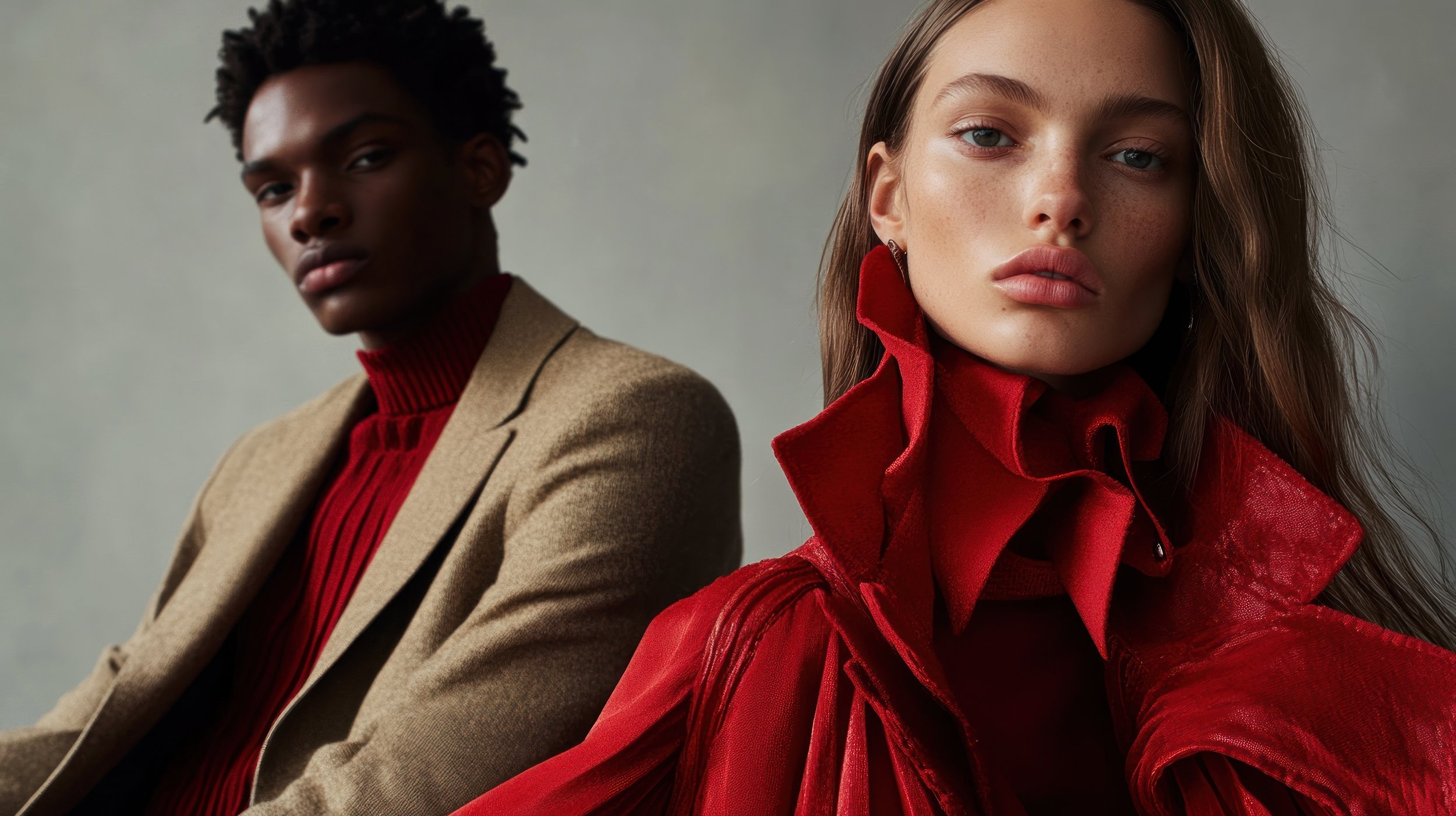
If there's one thing I want you to take away from this, it's that performance marketing doesn't have to be ugly. It doesn't have to sacrifice aesthetic quality for conversion rates. In fact, the opposite is true: elevated creative quality improves performance metrics.
My fashion background taught me to see advertising as more than just a conversion tool, it's a brand-building opportunity. Every ad someone sees is an impression of your brand. Make it count. Make it beautiful. Make it strategic.
Because at the end of the day, the best performance marketing doesn't feel like marketing at all. It feels like discovering something you've been looking for, presented in a way that makes you want it. That's the magic of combining fashion sensibility with data-driven execution.
From luxury fashion to performance ads, my unique edge. And that's exactly what I bring to every campaign at Claudia Giraldo Creative.
Ready to bring fashion-level creative sophistication to your performance marketing? Let's talk about how elevated creative can transform your conversion rates. Schedule a consultation to discuss your next campaign.